Searching for Countertop Installation Near Me is often the first step homeowners take when planning a kitchen or bathroom upgrade. Countertops play a major role in both durability and design, which is why choosing the right material—and the right installer—is critical. From quartz to granite, marble, quartzite, and ultra-compact surfaces, each countertop material performs differently, and installation quality directly impacts long-term performance. Understanding the data behind material durability, maintenance needs, and fabrication standards helps you make an informed, value-driven decision.
Material selection is a key starting point. Quartz remains one of the most popular choices due to its nonporous composition, consistent color, and excellent stain resistance. Granite offers natural variation, impressive strength, and high heat tolerance. Quartzite provides the beauty of marble with superior durability. Marble delivers timeless elegance but requires more careful maintenance. Ultra-compact surfaces—engineered under extreme heat and pressure—offer exceptional UV, scratch, and heat resistance. Your installer should help you compare these materials based on hardness ratings, porosity levels, and real-world performance.
Homeowners often underestimate the importance of fabrication accuracy. Countertop installation involves far more than placing a slab on cabinets—it requires precise digital templating, exact seam placement, and clean fabrication cuts. An experienced fabricator will account for appliance openings, wall irregularities, and veining direction to create a cohesive, flawless look. Accurate measurement reduces the likelihood of gaps, uneven edges, or poor alignment that could affect usability and appearance.
Many homeowners begin comparing professionals through Countertop Installation Contractors Near Me to review experience, fabrication capabilities, and project galleries. Reputable installers use advanced CNC machinery, ensuring accuracy down to millimeters. They also follow industry standards for seam width, reinforcement near cutouts, and adhesive use—all of which impact long-term structural stability.
When evaluating materials, consider thickness and edge styles. Thicker slabs create a bold, upscale appearance but may require additional cabinet reinforcement. Edge profiles—from eased to beveled, ogee, or waterfall—contribute to the overall design. Some materials perform better with specific edge finishes. A data-driven installer will explain which profiles minimize chipping risk and which edges fit your home’s design goals.
Another factor to consider is the installation environment. Kitchens and bathrooms experience moisture, heat, and heavy use. Understanding how each countertop material responds helps prevent premature wear. For example, quartz should be protected from extreme heat, while marble requires sealing to avoid etching. Granite offers strong heat resistance but benefits from periodic resealing based on porosity. Good installers provide clear research-based recommendations for long-term care.
Budget is also influenced by fabrication complexity. Intricate edge designs, large islands, mitered edges, under-mounted sinks, and full-height backsplashes all increase labor costs. However, these upgrades significantly enhance aesthetic value. Skilled installers balance cost and design benefits, helping you make choices that maximize your investment.
Color and pattern selection should consider room lighting and cabinetry. Bold veining looks stunning on large islands but requires precise bookmatching to keep patterns aligned. Subtle, consistent patterns work well in compact spaces or minimalist designs. Measuring and aligning natural stone patterns takes expertise—one reason professional installation is essential.
Seam placement is another critical detail. Slab sizes vary, and large kitchens may require multiple pieces. Installers aim to position seams where they are least noticeable, such as near sinks or corners. They use color-matched epoxy and advanced polishing tools to create clean transitions. Poorly placed seams can disrupt both appearance and structural stability.
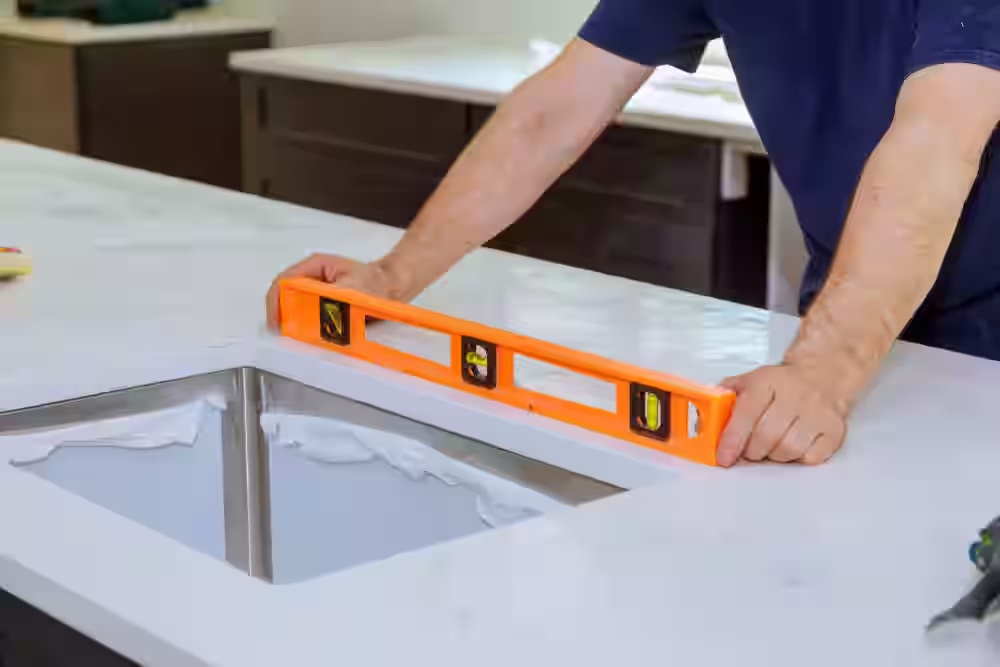
During installation, professionals ensure cabinets are level and structurally sound. Even slight unevenness can cause cracking over time. Installers also secure sinks properly and verify that appliances, faucets, and fixtures align. These technical details significantly influence long-term durability.
Maintenance requirements differ by material. Quartz is low-maintenance and only needs mild cleaners. Granite typically requires sealing annually or biannually. Marble demands gentle care to prevent etching and staining. Ultra-compact surfaces resist nearly everything and are ideal for heavy use or outdoor installations. Understanding these distinctions helps homeowners choose materials that fit their lifestyle and cleaning preferences.
As you narrow your list of installers, browsing listings from American business leaders can help you evaluate reputable fabricators, compare customer reviews, and confirm which companies maintain high standards of craftsmanship. This extra research ensures you hire a team that combines technical expertise with professional service.
A new countertop can dramatically transform the look and feel of your kitchen or bathroom. With the right installer guiding material selection, fabrication, and installation, you can enjoy surfaces that deliver both style and performance for years to come. If you’re ready to move forward, start by gathering material samples, reviewing design options, and scheduling consultations with experienced countertop installation professionals who can help turn your vision into a polished, durable reality.